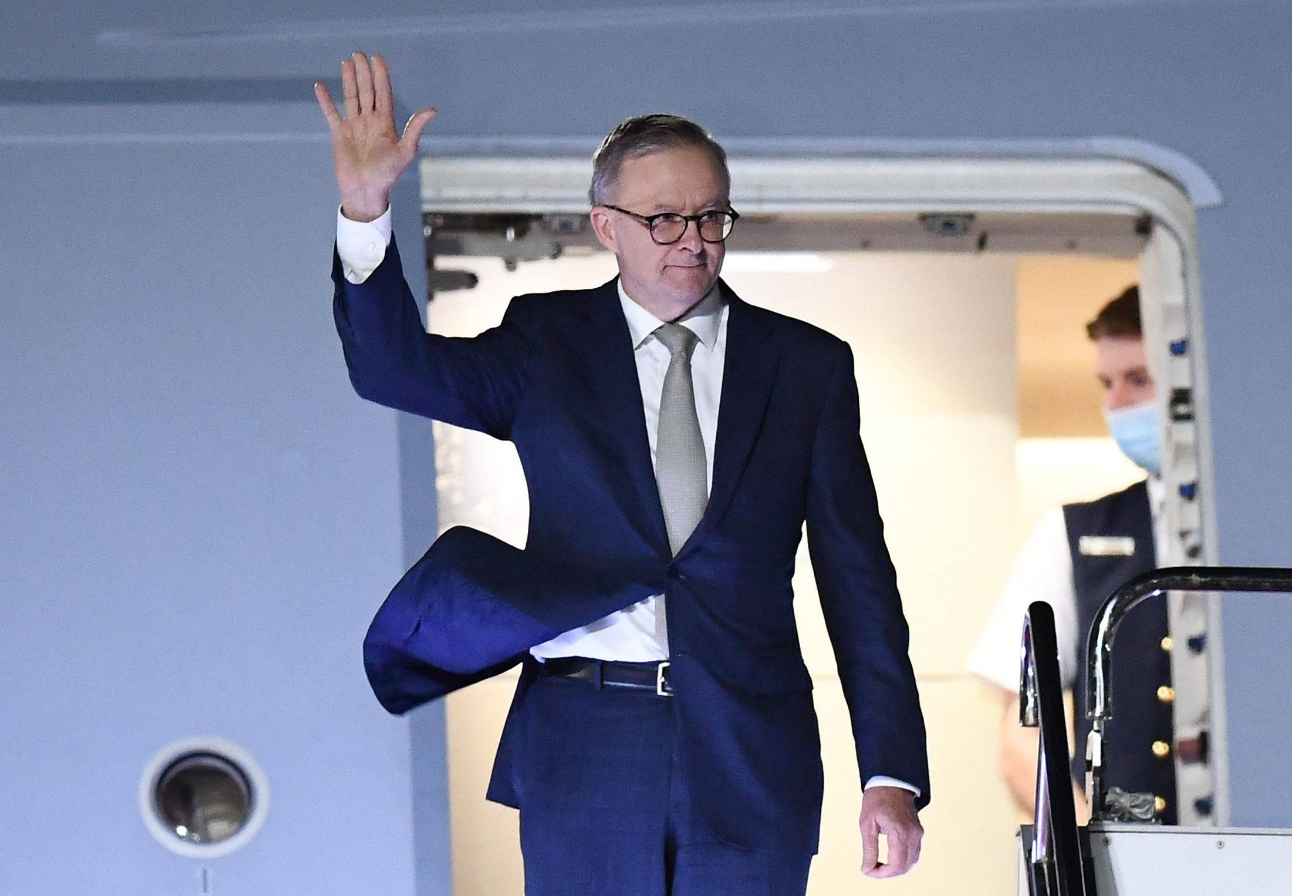
Anthony Albanese is one of Australia’s most prominent contemporary political leaders and has served as the Prime Minister of Australia since 2022. Throughout a political career spanning several decades, Albanese has become known for his commitment to public service, infrastructure development, social equality, workers’ rights, and pragmatic leadership. Rising from a modest upbringing to become Australia’s head of government, his personal story has often been described as an example of determination, resilience, and opportunity within Australian democracy.
Anthony Norman Albanese was born on March 2, 1963, in Sydney, New South Wales, Australia. He was raised in the inner-city suburb of Camperdown by his mother, Maryanne Ellery, who worked as a cleaner and later received a disability pension. Albanese has frequently spoken about the financial difficulties his family experienced during his childhood and how those experiences shaped his political values and commitment to social justice.
For much of his early life, Albanese believed that his father had died before he was born. His mother had met Carlo Albanese during a voyage from Australia to Europe, but the two never married. Years later, Anthony discovered that his father was still alive in Italy, and as an adult he eventually met members of his Italian family, reconnecting with an important part of his heritage.
Growing up in public housing, Albanese developed a strong appreciation for Australia’s public healthcare, education, and welfare systems. He has often credited these institutions with providing opportunities that allowed him to succeed despite his family’s limited financial resources. These early experiences became central to his political philosophy and later influenced many of his policy priorities.
Albanese attended St Mary’s Cathedral College before studying economics at the University of Sydney. While at university, he became actively involved in student politics and joined the Australian Labor Party (ALP). His political interest focused on issues such as workers’ rights, affordable housing, education, and social equality. During these years he developed many of the organizational and communication skills that would later define his political career.
After graduating, Albanese worked as a research officer and political adviser before entering Parliament. His work behind the scenes provided valuable experience in public administration, legislative processes, and policy development. Colleagues quickly recognized his strong work ethic, negotiation skills, and detailed understanding of government.
In 1996, Albanese was elected to the Australian House of Representatives as the Member for Grayndler, a seat in Sydney that he has continued to represent throughout his parliamentary career. His election coincided with a difficult period for the Labor Party, which had just lost government after more than a decade in power. As a new member of Parliament, Albanese quickly established himself as an energetic advocate for his constituents.
During his early parliamentary years, Albanese focused on urban planning, transport infrastructure, housing affordability, education, and environmental sustainability. His ability to work effectively with colleagues from different factions of the Labor Party helped him build a reputation as both a capable policymaker and a skilled negotiator.
As Labor returned to government in 2007 under Prime Minister Kevin Rudd, Albanese was appointed Minister for Infrastructure, Transport, Regional Development and Local Government. This role became one of the defining periods of his ministerial career. He oversaw significant investments in roads, railways, airports, ports, and public transportation projects across Australia. Many analysts regarded him as one of the government’s strongest-performing ministers due to his focus on long-term infrastructure planning.
Infrastructure remained one of Albanese’s primary policy interests throughout his political career. He consistently argued that investment in transportation networks not only improves economic productivity but also enhances quality of life by reducing congestion, improving regional connectivity, and supporting sustainable urban development.
Following leadership changes within the Labor Party, Albanese also served as Deputy Prime Minister of Australia in 2013 under Prime Minister Kevin Rudd. Although this period lasted only a few months before Labor lost the federal election, it provided him with valuable executive leadership experience at the highest level of Australian government.
After Labor entered opposition, Albanese became one of the party’s most recognizable public figures. He played a significant role in rebuilding the party following several electoral defeats while maintaining strong support among Labor members, trade unions, and many urban voters. His approachable communication style and emphasis on practical policy solutions helped broaden his appeal beyond traditional party supporters.
In 2019, following Labor’s unexpected defeat in the federal election, Albanese was elected Leader of the Australian Labor Party and became Leader of the Opposition. He immediately began reshaping Labor’s political strategy, focusing on issues including cost of living, healthcare, renewable energy, education, manufacturing, housing affordability, and economic recovery.
One of Albanese’s leadership strengths has been his emphasis on consensus-building and pragmatic decision-making. Rather than relying heavily on ideological rhetoric, he has generally sought to present himself as a practical leader focused on delivering tangible improvements to Australians’ daily lives. This approach appealed to many moderate voters during the years leading up to the 2022 election.
The 2022 Australian federal election marked a major turning point in Albanese’s career. Leading the Labor Party, he secured victory over the incumbent government and became Australia’s thirty-first Prime Minister. His election represented the first Labor victory in nearly a decade and reflected changing public priorities regarding healthcare, climate policy, economic management, and public services.
As Prime Minister, Albanese identified several key priorities for his government. Addressing the rising cost of living became one of the administration’s central objectives, alongside strengthening Medicare, improving aged care, expanding affordable childcare, investing in renewable energy, and increasing affordable housing supply.
Climate policy has been another defining area of Albanese’s leadership. His government committed Australia to more ambitious emissions reduction targets while expanding investment in renewable energy technologies, clean manufacturing, and critical minerals. Albanese has argued that environmental sustainability and economic growth can reinforce one another through innovation and new industries.
Internationally, Albanese has emphasized strengthening Australia’s relationships with allies throughout the Indo-Pacific region while maintaining close partnerships with the United States, New Zealand, Japan, and European nations. His government has also sought to improve diplomatic engagement with neighboring Pacific Island countries, particularly on issues relating to climate change, regional security, and economic development.
One of the most significant initiatives during Albanese’s premiership was the proposal for an Indigenous Voice to Parliament. The proposal sought constitutional recognition for Aboriginal and Torres Strait Islander peoples through an advisory body that would provide advice on legislation affecting Indigenous communities. Although the proposal was ultimately rejected in the 2023 referendum, Albanese described reconciliation and Indigenous recognition as long-term national priorities.
Throughout his career, Albanese has maintained a reputation as an approachable politician who enjoys engaging directly with members of the public. His interest in music, sports, and Australian culture has contributed to an image that many Australians view as relatable and authentic. He is particularly known for supporting the South Sydney Rabbitohs rugby league club, often speaking openly about his lifelong passion for the team.
Outside politics, Albanese has demonstrated an interest in literature, Australian history, music, and community events. He frequently emphasizes the importance of cultural diversity, reflecting both Australia’s multicultural society and his own Italian heritage.
As Prime Minister, Albanese has faced significant challenges including global inflation, housing affordability, energy transition, geopolitical uncertainty, and economic recovery following the COVID-19 pandemic. His government has sought to balance fiscal responsibility with increased investment in healthcare, education, infrastructure, and social programs.
Anthony Albanese’s political journey from public housing in Sydney to Australia’s highest elected office has become one of the country’s most notable modern political stories. His career illustrates how long-term commitment to public service, policy development, and community engagement can shape national leadership. Whether addressing domestic reforms or representing Australia internationally, Albanese continues to play a central role in shaping the country’s future while emphasizing inclusion, opportunity, and practical governance for all Australians.