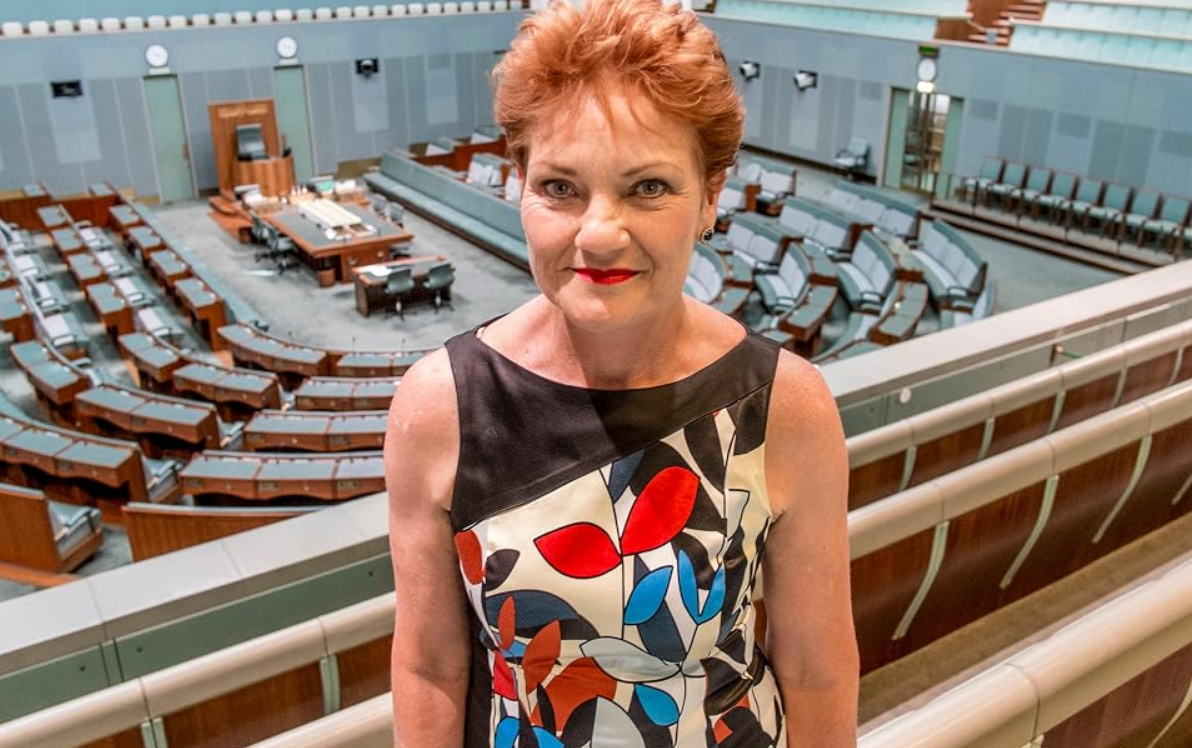
Pauline Hanson is one of the most recognizable and controversial figures in modern Australian politics. Over several decades, she has become known for her outspoken political style, strong views on immigration, national identity, economic policy, and regional Australia. As the founder and long-time leader of One Nation, Hanson has significantly influenced political debate in Australia, particularly on issues concerning immigration, multiculturalism, government spending, and rural communities. Whether praised by supporters or criticized by opponents, she remains one of the country’s most influential political personalities.
Pauline Lee Hanson was born on May 27, 1954, in Brisbane, Queensland, Australia. She grew up in a working-class family and attended local schools before leaving formal education at a relatively young age. Throughout her early adulthood, Hanson held a variety of jobs, including working in retail, hospitality, administration, and running a small fish and chip shop. Her background outside traditional political and academic circles later became an important part of her public image.
Unlike many Australian politicians who entered Parliament after careers in law, economics, or public administration, Hanson frequently emphasized her experience as a small business owner. She argued that operating a family business gave her firsthand knowledge of taxation, regulation, rising costs, and the challenges faced by ordinary Australians. These experiences shaped many of her later political positions.
Before entering federal politics, Hanson became involved in local government and community issues. She briefly served as a councillor on the Ipswich City Council in Queensland. During this period, she developed a reputation for speaking directly and expressing opinions that often attracted media attention. Her straightforward communication style would later become one of her defining political characteristics.
Hanson entered national politics during the 1996 Australian federal election. She initially sought election as a Liberal Party candidate but was disendorsed before the election following controversial public comments. Despite losing official party endorsement, her name remained on the ballot as an independent candidate, and she successfully won the seat of Oxley in Queensland.
Her maiden speech in the Australian House of Representatives became one of the most widely discussed parliamentary speeches in modern Australian political history. Hanson expressed concerns about immigration levels, multiculturalism, welfare policy, and economic change. The speech generated significant national and international attention. Supporters praised her willingness to discuss issues they believed other politicians avoided, while critics argued that many of her comments were divisive and harmful.
The intense public reaction to Hanson’s early political career quickly made her one of Australia’s most recognized political figures. Media coverage expanded rapidly, and she became a regular subject of political discussion throughout the country.
In 1997, Hanson founded Pauline Hanson’s One Nation, commonly known simply as One Nation. The new political party focused on issues including immigration policy, national sovereignty, support for regional Australia, lower taxation, government accountability, law enforcement, and reducing government bureaucracy. The party also advocated greater investment in rural communities and stronger support for Australian manufacturing and agriculture.
One Nation experienced rapid early growth. In the 1998 Queensland state election, the party achieved significant electoral success, winning numerous seats and demonstrating that it had become an important force in Australian politics. Although Australia’s preferential voting system often limited the party’s representation in Parliament, One Nation consistently attracted substantial public support in many regions.
Immigration has remained one of Hanson’s most prominent political issues throughout her career. She has consistently argued for stricter immigration controls, stronger border security, and policies designed to prioritize Australian citizens in employment and government services. Her supporters believe these policies strengthen national security and social cohesion, while opponents argue that some of her proposals risk increasing social division and discrimination.
Another major focus of Hanson’s political platform has been economic policy affecting regional Australia. She has frequently argued that rural communities, farmers, and small businesses have been neglected by major political parties. Hanson has advocated lower taxes for small businesses, increased infrastructure investment outside major cities, and policies aimed at supporting domestic industries.
Trade policy has also featured prominently in Hanson’s political agenda. She has expressed concern about globalization and the impact of international trade agreements on Australian manufacturing and employment. Hanson has argued that Australia should place greater emphasis on protecting domestic industries while ensuring that trade agreements primarily benefit Australian workers and businesses.
Throughout her political career, Hanson has maintained a reputation for speaking in direct and accessible language rather than relying on complex political terminology. Supporters often describe her as authentic and willing to express opinions that reflect the concerns of ordinary Australians. Critics, however, have argued that her communication style can oversimplify complex policy issues and contribute to political polarization.
After losing her parliamentary seat in 1998, Hanson remained active in politics despite experiencing several electoral defeats over the following years. She continued leading One Nation through periods of both growth and decline while maintaining a strong public profile through media appearances, political campaigns, and public speaking engagements.
In addition to political challenges, Hanson faced legal difficulties during the early 2000s relating to the administration of One Nation. She was initially convicted on fraud-related charges connected to the party’s registration but later successfully appealed the conviction. The appellate court overturned the earlier decision, allowing Hanson to resume her political activities. The case attracted extensive media coverage and became one of the most significant legal episodes of her career.
Following several years outside Parliament, Hanson successfully returned to federal politics in 2016 when she was elected as a Senator for Queensland. Her return reflected renewed public support for One Nation during a period of increasing political debate over immigration, economic inequality, national identity, and dissatisfaction with Australia’s major political parties.
As a senator, Hanson continued advocating policies focused on reducing government spending, strengthening border security, supporting Australian manufacturing, lowering energy prices, and addressing cost-of-living pressures. She also emphasized increased transparency in government and stronger measures against political corruption.
Energy policy became another important aspect of Hanson’s political agenda. She has frequently argued that Australia should prioritize affordable and reliable energy supplies while carefully balancing environmental objectives with economic competitiveness. Hanson has often criticized energy policies that she believes increase household electricity costs or reduce industrial competitiveness.
During the COVID-19 pandemic, Hanson expressed a variety of views regarding public health measures, government restrictions, and economic recovery. Some of her positions generated considerable public debate, illustrating her continuing role as one of Australia’s most outspoken political leaders.
Beyond Parliament, Hanson has maintained a significant media presence. She has appeared on television programs, participated in interviews, published opinion articles, and engaged extensively through social media. Her ability to communicate directly with supporters has contributed to One Nation’s continued visibility within Australian politics.
Hanson’s political influence extends beyond the number of parliamentary seats held by her party. Many political analysts argue that One Nation has helped shape broader national discussions regarding immigration, regional development, energy policy, taxation, and government accountability. Major political parties have, at times, adjusted aspects of their own policies in response to issues that Hanson helped bring into public debate.
Throughout her career, Pauline Hanson has remained one of Australia’s most polarizing political figures. Supporters view her as an independent voice willing to challenge political elites and represent Australians who feel overlooked by traditional parties. Critics argue that some of her political positions have contributed to social division and controversy. Regardless of differing opinions, few dispute her long-lasting influence on Australia’s political landscape.
Outside politics, Hanson has often spoken about the importance of family, hard work, and personal responsibility. Her life story—from working in small business to becoming the founder of a nationally recognized political party—has become an important part of her public identity.
Today, Pauline Hanson continues to serve as Leader of One Nation and remains an active participant in Australian political life. Over nearly three decades in public office, she has become one of the country’s most enduring political personalities. Her career reflects the evolving nature of Australian democracy, the growing influence of minor parties, and the importance of public debate surrounding national identity, economic policy, and the future direction of Australia. Whether viewed as a champion of ordinary Australians or as a controversial political figure, Pauline Hanson has left a lasting mark on Australian politics and continues to influence discussions on many of the nation’s most significant issues.